Embarking on a finance internship journey can be a pivotal step toward a successful career in the financial world. Even without prior experience, you can still secure a valuable internship. This guide will provide a comprehensive roadmap, helping you understand the landscape, craft compelling applications, and ace your interviews, setting you on the path to a rewarding finance career. This guide is tailored for individuals with no prior experience, providing actionable steps to get you started.
Why a Finance Internship is Crucial
A finance internship offers invaluable hands-on experience, allowing you to apply classroom knowledge to real-world scenarios. It provides a chance to develop essential skills, explore different areas within finance, and build a professional network. Internships often serve as a stepping stone to full-time job offers, giving you a competitive edge in the job market. They provide the opportunity to learn from experienced professionals, understand company culture, and determine if a particular finance role aligns with your career goals. Moreover, internships can significantly boost your resume, making you a more attractive candidate for future positions.
Understanding the Finance Internship Landscape
The finance industry is vast and diverse, encompassing various sectors such as investment banking, corporate finance, financial planning, and asset management. Understanding these different areas helps you tailor your application and focus your search. Researching the roles and responsibilities associated with different internships is crucial. This will help you understand what is expected of you, ensuring you can articulate your interest and suitability effectively. The internship market is competitive, so it’s vital to start early and be persistent. Utilize online resources, university career services, and networking events to gain insights and identify potential opportunities. Furthermore, consider the location, size, and culture of the companies, as these factors can influence your overall internship experience.
Types of Finance Internships

Finance internships come in many forms, each offering unique learning experiences. Investment banking internships often involve supporting financial analysts in tasks such as market research, financial modeling, and preparing presentations. Corporate finance internships usually focus on financial planning, budgeting, and analysis within a company. Financial planning internships provide insights into personal finance, wealth management, and client interactions. Asset management internships involve researching investments, analyzing portfolios, and assisting portfolio managers. Exploring these different types allows you to identify the area that best aligns with your interests and career aspirations, paving the way for a more fulfilling internship experience.
Skills Needed for Finance Internships
While specific skill requirements vary depending on the role, certain skills are universally valuable. Strong analytical and problem-solving abilities are crucial for analyzing data, making financial projections, and identifying trends. Excellent communication skills, both written and verbal, are essential for conveying complex financial information clearly. Proficiency in Microsoft Excel, including functions and formulas, is often a necessity. Knowledge of financial concepts, such as accounting principles, financial statements, and valuation techniques, will be highly beneficial. The ability to work independently, manage time effectively, and collaborate in a team setting are also important for success in a finance internship. Consider developing these skills through coursework, online resources, and extracurricular activities.
Crafting a Winning Cover Letter with No Experience
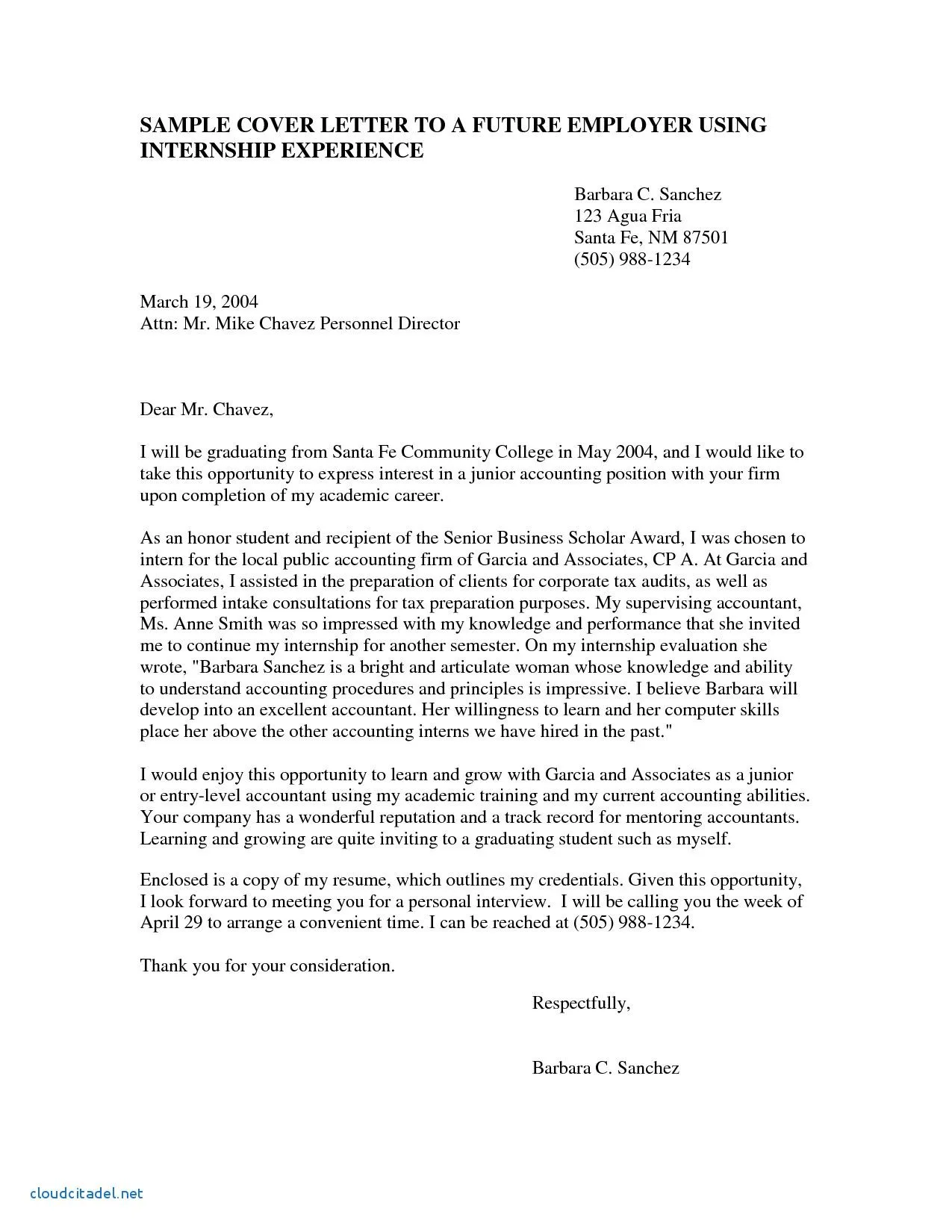
Even without direct experience, your cover letter can make a strong impression. The key is to highlight transferable skills, demonstrate your enthusiasm for finance, and tailor the letter to each specific role. A well-crafted cover letter shows the hiring manager that you have taken the time to understand their organization and the internship position.
Highlighting Transferable Skills

Identify skills gained from other experiences, such as part-time jobs, volunteer work, or academic projects. Examples include analytical skills developed through coursework, communication skills from group projects, and organizational skills from managing extracurricular activities. Explain how these skills are relevant to the finance internship. Quantify your achievements whenever possible to demonstrate your impact. For instance, instead of saying “Improved efficiency,” you could say, “Improved project efficiency by 15% through process optimization.”
Showcasing Your Enthusiasm and Interest
Express your genuine interest in finance and the specific company you are applying to. Research the company’s mission, values, and recent projects to demonstrate your knowledge and alignment. Explain why you are drawn to finance and what aspects of the field excite you. Mention specific courses, projects, or experiences that have fueled your passion for finance. Avoid generic statements, and instead, show a deep understanding of the industry and the role.
Tailoring Your Cover Letter to the Role
Customize your cover letter for each internship application. Review the job description carefully and identify the key requirements and skills. Highlight the skills and experiences that align with the role’s needs. Use keywords from the job description to show that you have understood the requirements. If possible, address your letter to the hiring manager by name. Tailoring your cover letter shows that you are serious about the opportunity and have put in the effort to stand out.
Building Your Resume for a Finance Internship

Your resume is a crucial tool for showcasing your qualifications. Even without finance experience, you can create a compelling resume that highlights your strengths and potential.
Formatting Your Resume for Impact
Use a clear and professional format that is easy to read. Organize your sections logically, such as education, skills, projects, and experience. Use concise bullet points to describe your accomplishments and responsibilities. Ensure that your resume is free of typos and grammatical errors. Choose a professional font and maintain consistent formatting throughout the document.
What to Include on Your Resume
Include your education, highlighting relevant coursework and GPA if it’s strong. List any relevant skills, such as financial modeling, data analysis, or programming. Detail any projects, research, or academic achievements that demonstrate your abilities. Include any work experience, even if it’s not directly related to finance. Highlight any volunteer work, extracurricular activities, or leadership positions. Quantify your achievements whenever possible to provide a more objective view of your impact.
Finding and Applying for Finance Internships

Finding the right internship requires a strategic approach. Utilize various resources and platforms to maximize your chances of success.
Online Job Boards and Company Websites
Explore popular job boards such as LinkedIn, Indeed, and Glassdoor. Set up job alerts to receive notifications when new finance internship positions are posted. Visit the career pages of financial institutions and companies that interest you. Many companies have dedicated internship programs, and you can find these opportunities directly on their websites. Research smaller companies and startups, as they often offer valuable internship experiences. Tailor your search based on your specific interests and desired location.
Networking and Informational Interviews
Networking can significantly increase your chances of finding an internship. Attend career fairs, networking events, and industry conferences. Connect with finance professionals on LinkedIn and engage in conversations. Reach out to alumni from your university who work in finance. Request informational interviews to learn more about their experiences and gain insights. Be prepared to ask thoughtful questions and express your interest in finance. Building relationships can provide valuable guidance and potential internship opportunities.
Preparing for the Finance Internship Interview

The interview is your chance to showcase your skills, enthusiasm, and suitability for the role. Thorough preparation is essential for making a positive impression.
Common Interview Questions and How to Answer
Prepare for common interview questions such as “Tell me about yourself,” “Why are you interested in finance?” and “Why this company?” Practice answering behavioral questions using the STAR method (Situation, Task, Action, Result). Be ready to discuss your strengths, weaknesses, and how you handle challenges. Research the company and the role to demonstrate your knowledge and interest. Prepare thoughtful questions to ask the interviewer, showing your engagement and curiosity. Practice your answers out loud to build your confidence and ensure you can communicate your thoughts effectively.
Demonstrating Your Passion for Finance
During the interview, express your genuine passion for finance. Share any relevant experiences, such as participating in a finance club, managing personal investments, or completing relevant coursework. Discuss any books, articles, or news sources you follow to stay updated on industry trends. Show enthusiasm for learning and a willingness to take on new challenges. Be confident and articulate your career goals and how this internship aligns with them. Your passion and enthusiasm can make a lasting impression, even without prior experience.
Securing a finance internship with no prior experience is achievable with a strategic approach. By understanding the finance landscape, crafting a compelling cover letter and resume, networking effectively, and preparing for interviews, you can significantly increase your chances of success. Embrace the opportunity to learn, develop your skills, and build a strong foundation for your future finance career. Remember, every experience, no matter how small, can contribute to your journey. Good luck with your applications!